Valley Sea Kayaks Australia Range – now including composite kayaks

Valley Sea Kayaks of Nottingham England is home to one of the largest and most respected ranges of sea kayaks in the world. In an industry where many are quick to claim unsubstantiated “firsts”, Valley can legitimately claim that they were there at the start of the modern incarnation of the sea kayak. The first true sea kayak by Valley, the Anas Acuta, was developed in 1971 and is still in production today. Through the years, a love and respect for the sea has dictated everything that the company has done. Their designs have evolved with the sport, leading to kayaks like the Nordkapp, the first kayak designed specifically for a major expedition and the Skerray, the first true sea kayak molded in polyethylene. The focus at Valley has not been limited to the performance of the Valley hulls. They have sought ways to make the sport safer and more enjoyable, developing features such as watertight rubber hatches, retractable skegs, safety end toggles and recessed deck fittings.
Thirty-five years later, the enthusiasm of the Valley team is as keen as ever and because the sport is always evolving, so too is their range of kayaks. Founded in 1970 by Frank Goodman, Valley’s history very quickly became entwined with the infant sport of sea kayaking. Although kayaking on the sea can be traced back several thousand years through various indigenous populations, it was the introduction of the fiberglass sea kayak that led to the activity gaining popularity as a recreational pastime. Valley became one of the very first companies to commercially produce a specialty sea kayak when it launched the Anas Acuta in 1972. This kayak was developed from a native Greenland kayak brought back from the Western region and it is still produced today.
As the early pioneers pushed the boundaries, their needs changed. The desire to go greater distances, unsupported, led to the development of models designed to accommodate the required equipment without sacrificing performance. The most famous of these is the Valley Nordkapp, designed for the British Norway expedition in 1975 but most famously used for the first rounding of Cape Horn by kayak. The design principles adopted in this kayak: moderately v shaped keel, softer chines and the distinct Greenland side profile (although with increased freeboard to accommodate the increased loadings) become so widespread in other kayaks that these characteristics became known worldwide as “British style”. This style of kayak has such a reputation for sea worthiness that it is now the worldwide benchmark by which other sea kayaks are measured.
It isn’t just how people use a kayak that has changed; materials too have progressed from those first fiberglass kayaks. Improvements in the reinforcements and resins have led to tougher, lighter products. Now glass fiber is only one of several reinforcements used in the kayak’s shell, other materials being: e glass in cloth forms, polyester “diolene”, kevlar and carbon fiber all when used correctly improve the performance of the laminate. However probably the biggest improvements have been in the resin matrices; polyester resins are now significantly tougher and for higher performance or lighter laminates vinalesters and epoxies are now used. The 1980’s saw the most significant changes in the kayak industry with the development of rotomolded polyethylene. Although first utilized in white water kayaks for its impact resistant properties, Valley was one of the first companies to see its potential to make a tough, reasonably priced sea kayak and introduced the Skerray. This kayak pioneered many features now taken for granted: the molded skeg box, welded bulkheads and hard rubber hatch covers. Even today, many Valley competitors still haven’t caught up!
Kayak construction and design are not the only two areas where Valley has been instrumental in the evolution of the species. The respect for the sea at Valley has led them to develop several features directly related to kayak safety. Valley was the first company to develop a watertight hatch system specifically designed for kayaks and then developed recessed deck fittings to ensure safety lines remained in place. It is a testimony to the value of these important innovations that many competitors still purchase these products from Valley.
Valley Sea Kayaks has a rich history and the company has had a tremendous influence on modern sea kayak development. They still strive to produce the best kayaks for the sea. Many in the sea kayaking world say: “there’s nothing like a Valley”. This year, like all of the 35 before, will see new developments at Valley. For a look at the entire range of Valley kayaks for 2008, incluyding the new rotomoulded Rapier 19, and 2 new surf kayak designs, click HERE for the catalogue.


Nordkapp

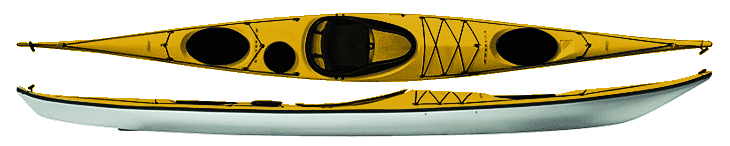
Designed in 1975 and used for the first kayak-rounding of Cape Horn, the Nordkapp has been used on many of the world’s toughest expeditions. This latest version features improved cockpit ergonomics and secondary stability. Perfect for the paddler seeking a fast, expedition-capable sea kayak. Click HERE for more details.


Nordkapp LV

Designed either for the lighter paddler who wants an expedition-proven kayak that is more suited to their smaller stature, or a larger paddler who enjoys the legendary performance of the full-sized Nordkapp but doesn’t need its loading capacity - the Nordkapp Low Volume is a sprightly sibling. Click HERE for more details.


Aquanaut

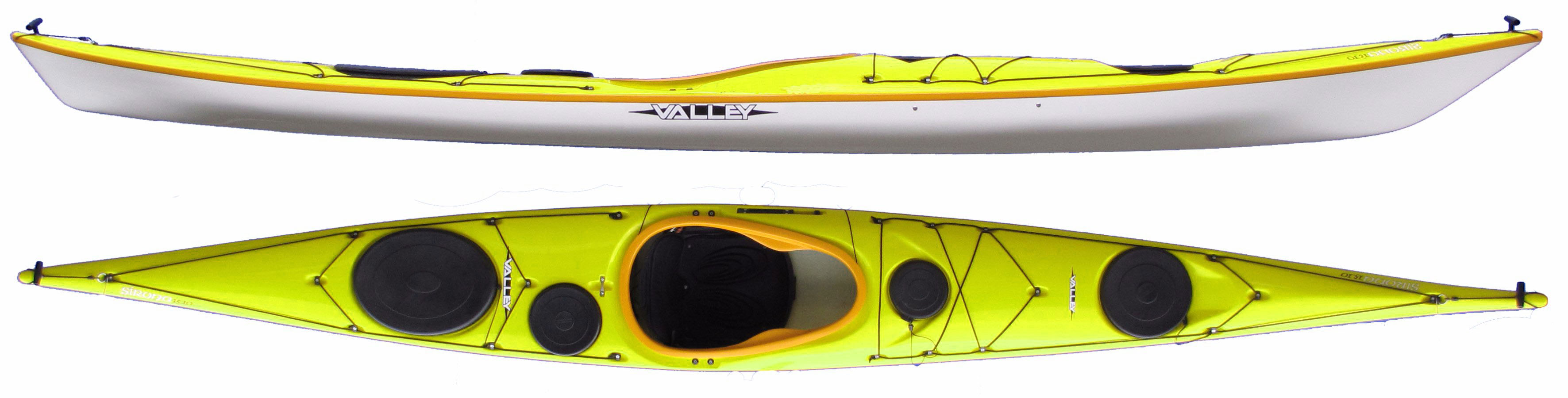
A contemporary vision of the British-form kayak. The Aquanaut design harnesses over thirty years experience from prominent paddlers & instructors. Its modern lines, with less bow and stern overhang and more flare above the water-line, combine to give the kayak high performance with a confident feel. Ideal for paddlers requiring a fast, comfortable, all-round sea kayak. Click HERE for more details.


Rapier 20

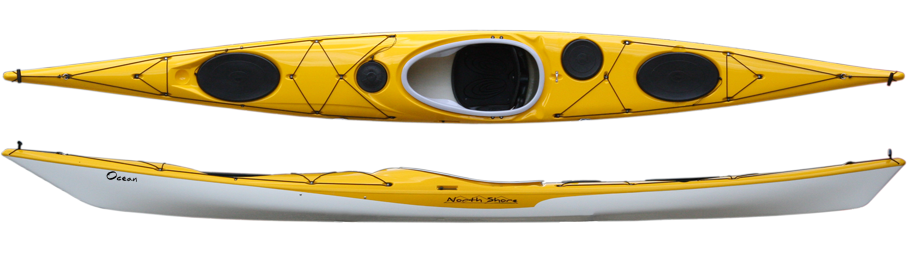
The Valley kayak which recently set the world record for a crossing of the English Channel is now available to test paddle in Australia. If speed & fitness is your thing, in a stable, completely sea-worthy craft, this boat is the revolution you've been waiting for.

Nordkapp RM

The most famous sea kayak in the world is now available in what is probably the best roto-moulded polyethylene (PE) construction of any manufacturer. This kayak retains the legendary Nordkapp handling and incorporates all of the features expected of an expedition-capable kayak. A rare combination of performance and value. Not for nothing was this the first boat to be paddled around Cape Horn, nor the craft of choice for what remains the only circumnavigation of Australia, Paul Caffyn’s epic 1982 voyage. The Nordkapp remains the sea kayak by which all others are measured. Click HERE for more details.


Aquanaut RM

 A superbly sporty kayak with plenty of room for extended expeditions, this model is ideally suited to paddlers of average weight and below. Like all other Enthusiast polyethylene models, this kayak incorporates all of Valley’s advanced construction features and provides handling similar to its composite sibling. Click HERE for more details.


Aquanaut HV RM

Sized for a slightly bigger frame, this model is ideally suited to average weight paddlers and above. Ideal for paddlers requiring a fast, comfortable, all-round PE sea kayak. Click HERE for more details.


Avocet

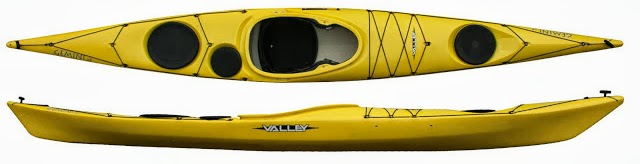
The compact sea kayak that doesn’t compromise performance. Developed from the popular Pintail the Avocet retains much of the lively handling but is refined to provide better tracking and be more forgiving. The Avocet is ideal as a general sea kayak for small paddlers, especially women, or for the average sized paddler it makes a playful and enjoyable day boat. Click HERE for more details.