Kayak & Ski ReviewsWe've decided to put all of our current kayak & ski reviews together in one place, most written by us, as well as couple from our customers. Some are written word, some a short summary with a video, some with both. If you have a review of one of our kayaks or skis we'd love to see it. Click on the image to read the review. |
||
 |
Expedition Kayaks Audax Our own design, manufactured in Australia, designed as s ympathetic rough water touring sea kayak, with speed way above traditionally shaped designs. Length 560cm
Width 53cm
Capacity Approx. 405l
Paddler Weight 75-110kg
|
|
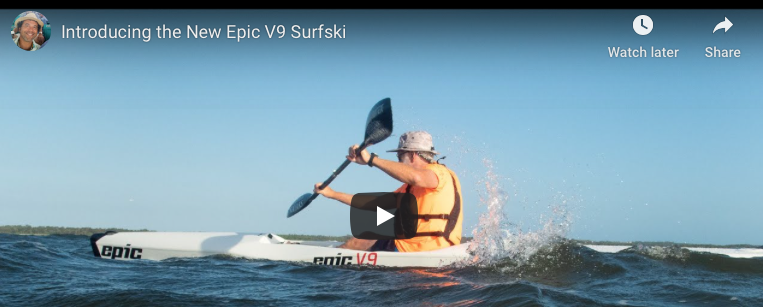 |
Epic V9 Epic's latest ski, an inclusive ocean ski designed for waves. Length 580cm
Width 49cm
Paddler Weight 60-100kg
|
|
 |
Pace 17 Tour Length 522cm
Width 53cm
Capacity Approx. 405l
Paddler Weight 75-110kg
|
|
 |
Pace Action Length 480cm
Width 54cm
Capacity Approx. 370l
Paddler Weight 70-90kg
|
|
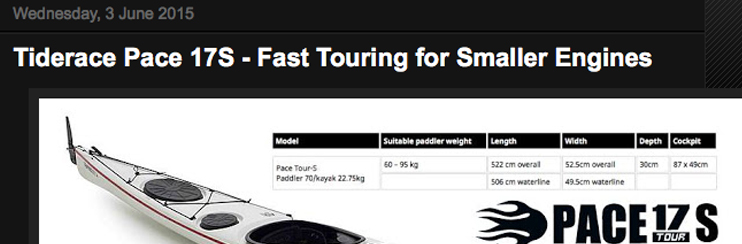 |
Pace 17S Length 540cm
Width 52cm
Capacity Approx. 340l
Paddler Weight 50-75kg
|
|
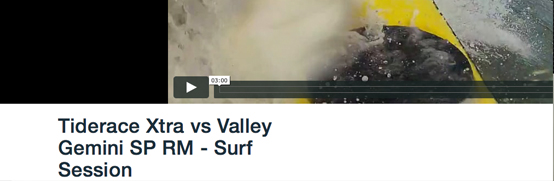 |
Valley Gemini SP A video that shows off this great little play boat in the environment for which it was designed. Length 485cm
Width 56cm
Capacity Approx. 250l
Paddler Weight 70-100kg
|
|
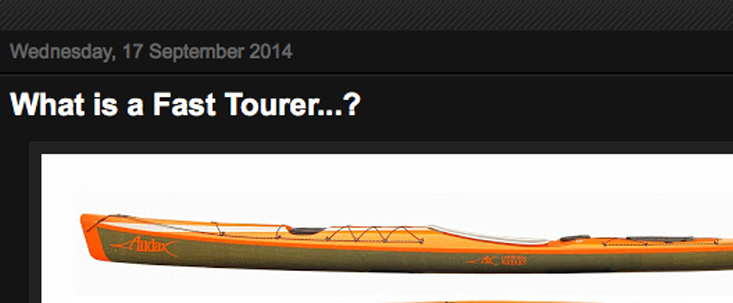 |
Fast Touring Kayaks - an Overview What is a Fast Tourer? Not just marketing hype, but instead a real & palpable shift in the design of sea kayaks designed to go long distances, carrying gear, whilst also looking after the paddler in rough water. |
|
 |
Think Zen The latest arrival into the transition genre, more nimble than it's rivals at 5.6m long so an excellent one for garage storage, and designed with stability in mind. This is a ski we're excited about, we think 560cm is a great length for most paddlers ability. Length 560cm
Width 52cm
Paddler Weight 55-90kg
|
|
 |
Think Evo Gen 3 There are some significant changes to the old Evo 2, all aimed at making the ski more accessible to a wider range of paddlers. Length 560cm
Width 52cm
Paddler Weight 55-90kg
|
|
 |
Epic 18X Double Length 670cm
Width 57cm
Capacity Approx. 240kg
|
|
 |
Epic 18X Length 550cm
Width 55cm
Capacity Approx. 420l
|
|
 |
Epic V10 Gen 3 Length 625cm
Width 45cm
Paddler Weight 65-100kg
|
|
 |
Epic V8Pro Length 585cm
Width 50cm
Paddler Weight 55-90kg
|
|
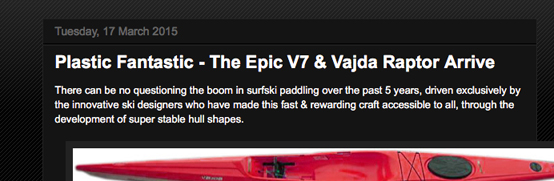 |
Plastic Surf Skis - Epic V7 vs Vajda Raptor Epic & Vajda have addressed this glaring lack of a true entry level, budget-priced ski with the respective recent launch of their V7 & Raptor Surfskis. Both designs are shorter than the standard skis at 5.2m and 5.3m respectively, so manageable in an average home garage, or on top of a city sedan. |
|
 |
Carbonology Boost The Carbonology Boost is welcome addition to the 'ambitious starter' genre. It's 5.95m long, 50.5cm long, super maneuverable and predictable in the runs & only $3300 for the 14.5kg layup. If you're getting into ski paddling & wanting to have a crack, or looking to come back down to a design more manageable in the rough stuff, this should be in your list of boats to test. Length 580cm
Width 50cm
Paddler Weight 55-90kg
|
|
 |
Carbonology Cruze Length 550cm
Width 55cm
Paddler Weight 60-110kg
|
|
 |
Fenn Elite S Length 640cm
Width 43cm
Paddler Weight 60-110kg
|
|
 |
Fenn Swordfish S Length 600cm
Width 45cm
Paddler Weight 60-110kg
|
|
 |
Fenn Bluefin S Length 600cm
Width 45cm
Paddler Weight 60-110kg
|
|